Salicylic Acid
Think more about:
Oil + dead skin +
clogged pores
Salicylic acid helps loosen and clear material within pores.
You'll often see it in acne products marketed for:
- blackheads
- whiteheads
- clogged pores
- oily/acne-prone skin
 Jean's Picks
Jean's Picks · Make It Make Sense · 2-Minute Read
How do I know which one to reach for?
You've probably heard
"Acne-prone skin needs benzoyl peroxide."
Then
"No—you need salicylic acid."
So…which one?
The Quick Answer
"Neither one is automatically 'better.'"
The better question is:
What are you trying to help your skin with?
Make It Make Sense
A raincoat
can be useful
A sweater
can be useful
But asking:
"Which one is better?"
doesn't make much sense until you know what's happening outside.
The Ingredients, Side by Side
Salicylic Acid
Think more about:
Oil + dead skin +
clogged pores
Salicylic acid helps loosen and clear material within pores.
You'll often see it in acne products marketed for:
Benzoyl Peroxide
Think more about:
Inflamed acne
Benzoyl peroxide helps reduce acne-causing bacteria and inflammation.
You'll commonly see it in products marketed for:
Different jobs. Different reasons to reach for them.
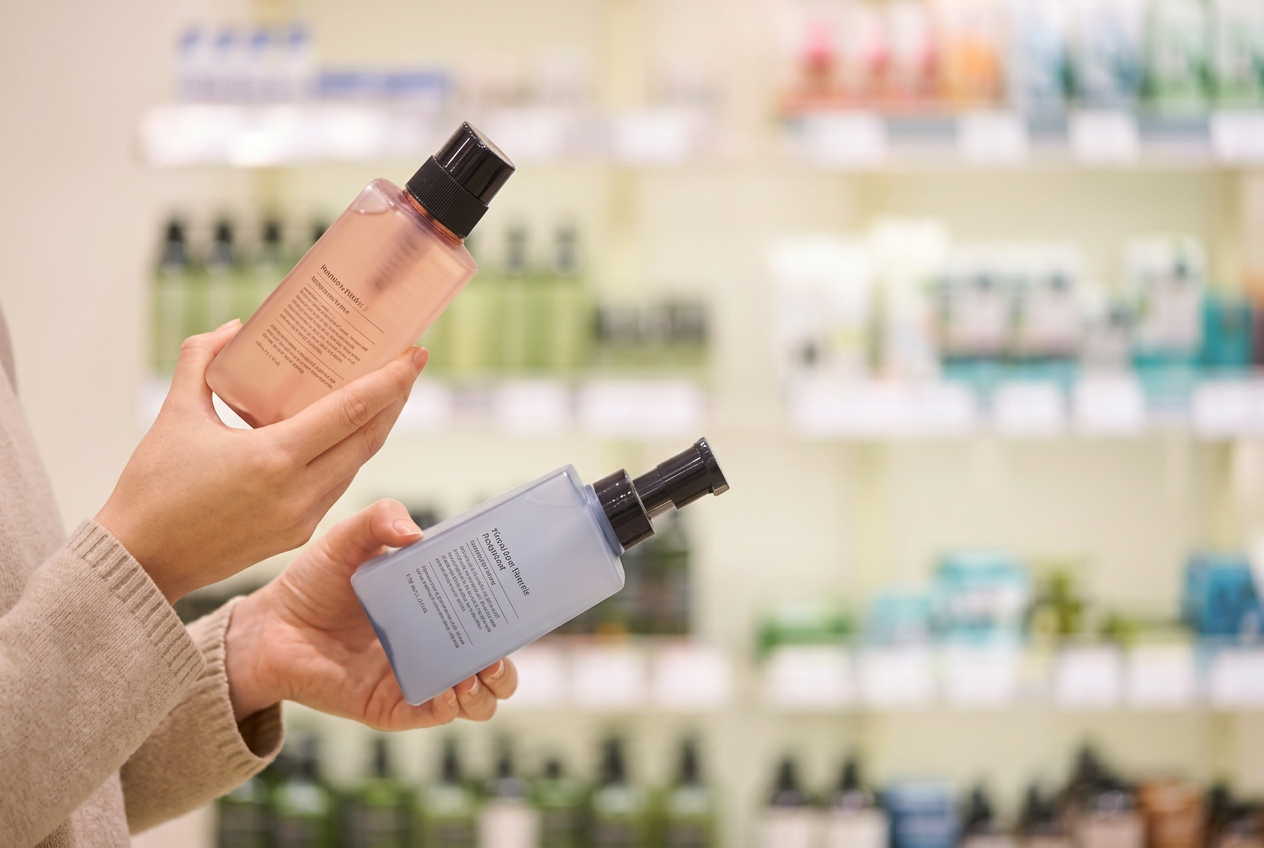
Before You Grab One From the Shelf…
What am I actually noticing?
Mostly clogged pores or blackheads?
Mostly red, inflamed breakouts?
A mix of both?
Is my skin already dry, peeling, irritated, or sensitive?
What other acne treatments are already in my routine?
Those answers matter.
A Quick Way to Think About It
Trying to understand clogged pores?
Salicylic acid is the ingredient worth learning more about.
Trying to understand red, inflamed breakouts?
Benzoyl peroxide is the ingredient worth learning more about.
Dealing with both?
That does not automatically mean: "Use both at the same time."
There may be more than one concern occurring, which makes the rest of the skincare routine even more important.
This is general skincare education—not a diagnosis or individualized treatment advice.
What If Both Are in the Routine?
Some people may have both benzoyl peroxide and salicylic acid in an overall acne skincare plan. That does not mean they always have to be applied together.
One product may appear in a morning routine and another later.
Some routines keep them separated.
For example, one may appear in a wash-off cleanser while another is a leave-on product.
Some people may also use both during the same skincare session.
Both ingredients can be drying or irritating, especially when other acne treatments are already part of the routine.
Just because two products can fit into a routine doesn't mean your skin needs them piled on together.
Before You Pair Anything…
Are other medicated or potentially irritating skincare products already involved?
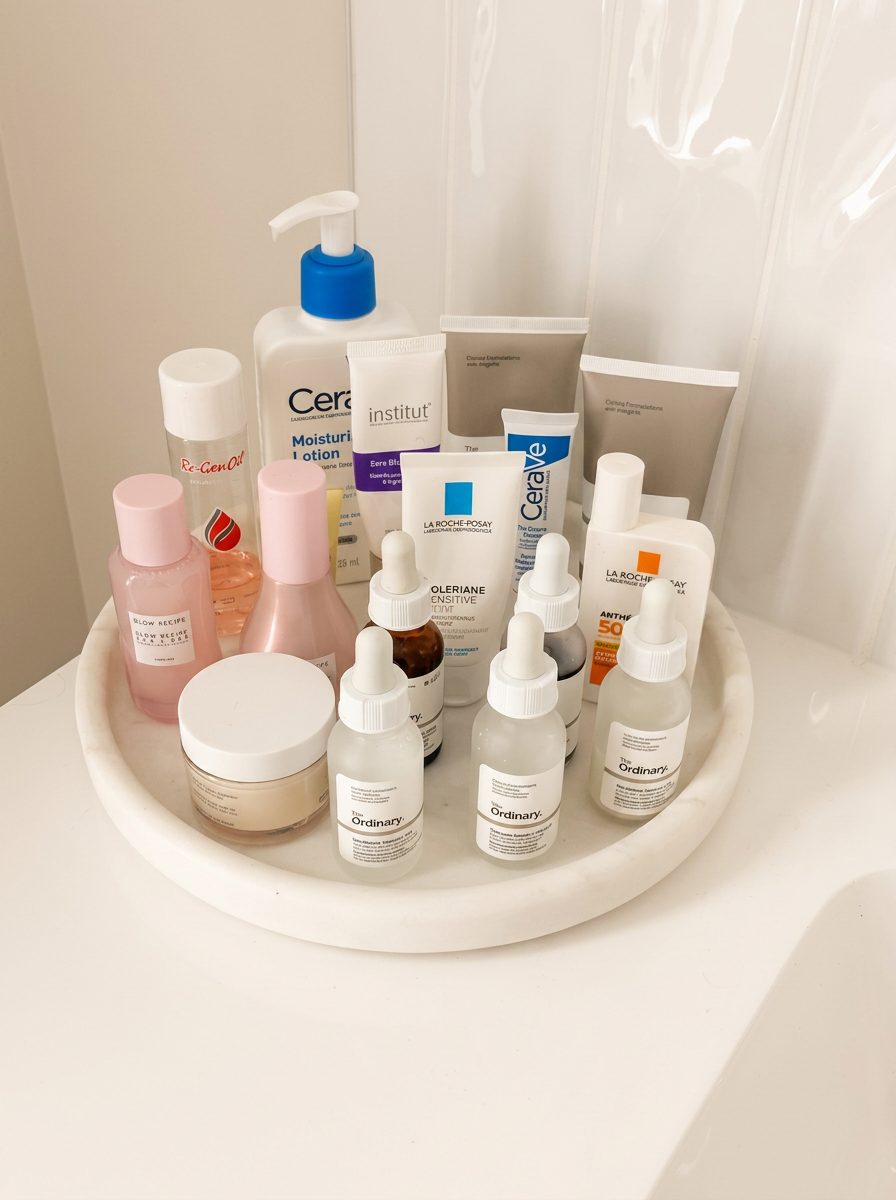
"Your bathroom cabinet is part of your health history."
Benzoyl peroxide and salicylic acid may be purchased without a prescription, but they are still medicated acne ingredients. Let your healthcare practitioner know what medicated skincare products you use—including OTC products—so they can advise you with knowledge of your medical history, skin health, medications, and overall treatment plan.
Read Your Skin
Increasing:
can be signs of irritation.
If irritation is persistent, significant, or becoming difficult to tolerate, it's worth speaking with an appropriate healthcare professional rather than continuing to experiment.
These symptoms warrant prompt medical attention.
It's also worth seeking professional guidance for:
Jean's Pick

Don't start with 'Which product is better?'
Instead:
The product has a job.
Your skin has a limit.
Strategy considers both.
Jean, NP
Founder · Live Pretty Wellness
Optional Next Step
Want to meet Jean first?
Jean's Picks provide general skincare education only. They are not medical advice, diagnosis, treatment, or a substitute for individualized care. Tell your healthcare practitioner about prescription and over-the-counter medicated skincare products you use, and speak with them when you have questions about what is appropriate for your skin or before changing prescribed treatment.